

Oklahoma: Online Arts Curricula
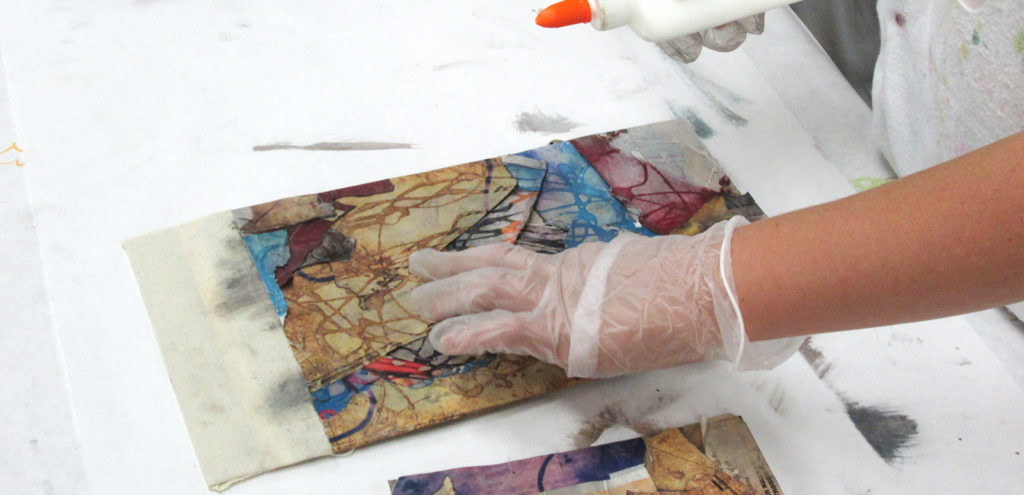
The Oklahoma Arts Council recently issued a call for proposals to commission online fine arts teaching modules. Oklahoma teaching artists with demonstrated education experience were recently invited to develop creative curricula that can be used by Oklahoma students, parents and teachers for distance learning as well as in the classroom. The resulting materials will be […]
Puerto Rico: Cultura Virtual
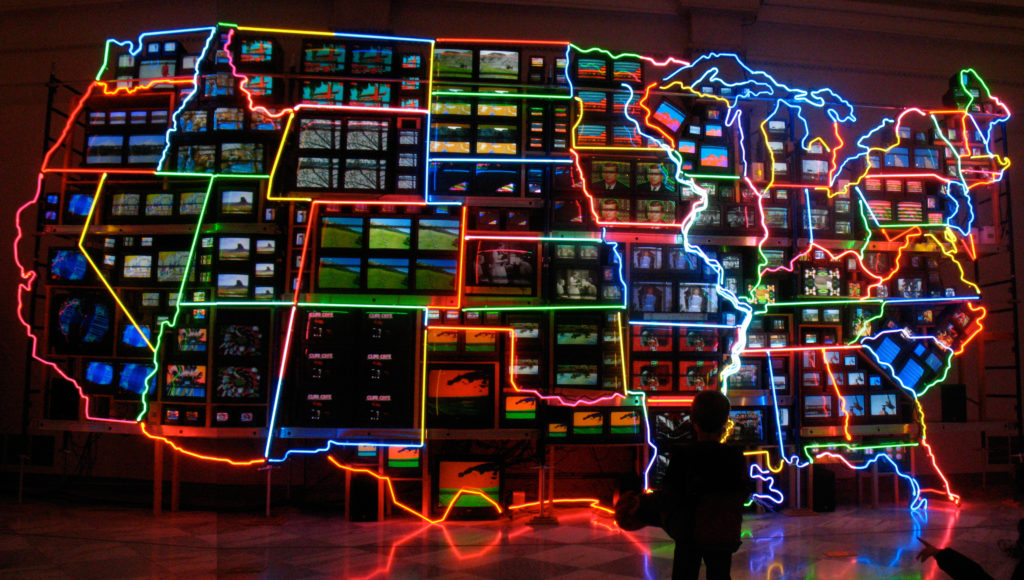
The Instituto de Cultura Puertorriqueña (ICP) is engaging families across the archipelago of Puerto Rico through Cultura Virtual, an online initiative that shares locally sourced creative content. It draws inspiration from the highly successful Cultura Rodante program, which was developed as an emergency program in response to Hurricanes Irma and María in September 2017, then […]
New Mexico: Veteran Artists Thank First Responders

The Art in Public Places program of New Mexico Arts has facilitated the creation and installation of more than 2,500 works of art in all of New Mexico’s 33 counties. The program reflects the diversity of the arts in New Mexico and the Southwest, engages the public’s civic imagination, and builds a dynamic public art […]
Washington, Texas, South Carolina, Vermont: State CARES Act Arts Programs
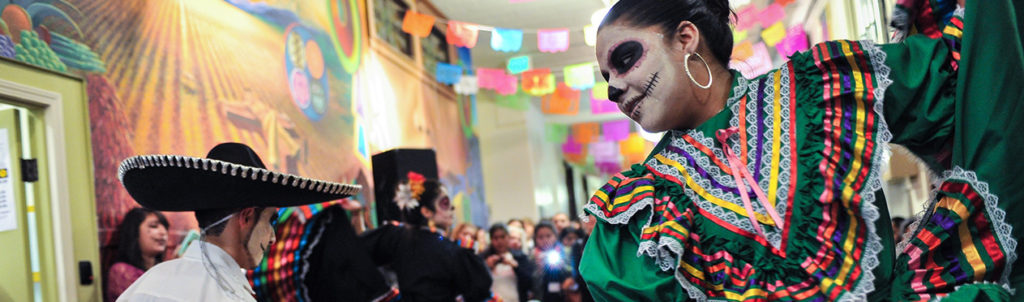
The Coronavirus Aid, Relief, and Economic Security (CARES) Act included $75 million in COVID-19 relief funds to be distributed through the National Endowment for the Arts. To achieve broad and inclusive access to federal funds, Congress requires 40% of the Arts Endowment’s grant budget to be allocated to state arts agencies and regional arts organizations—a […]
Colorado, Iowa: Student Engagement during COVID-19
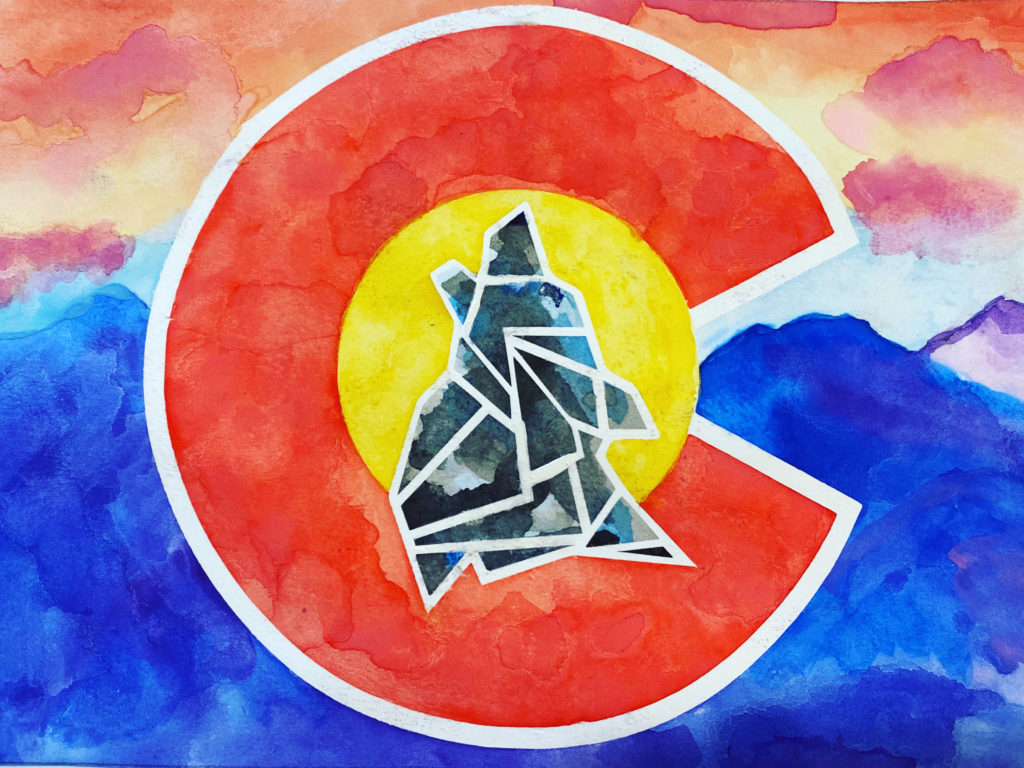
In addition to supporting general public participation in the arts during COVID-19 shutdowns, state arts agencies are finding creative ways to address the specific needs of students and children. Colorado and Iowa offer two examples. Colorado Face Mask Design Challenge Face masks, while useful in helping to limit the spread of COVID-19, may be unsettling […]
Indiana, Massachusetts: Stabilizing the Arts during (and after) COVID-19

The COVID-19 pandemic will have wide-ranging ripple effects for the creative sector. Artists and arts organizations must not only adapt to immediate losses of income, they also must reposition themselves for an uncertain future. Many state arts agencies are organizing technical assistance and education programs designed to support sound planning as well as present-day triage. […]
Massachusetts, Delaware, Rhode Island: Sustaining Public Engagement during COVID-19
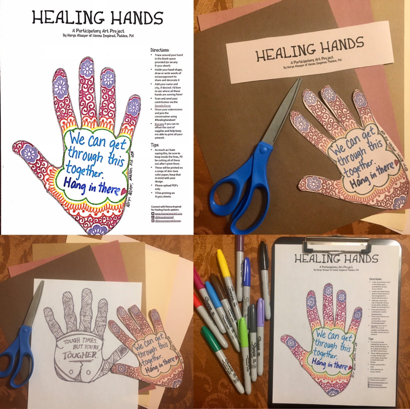
Cultural participation is a crucial ingredient for maintaining social cohesion, bolstering community resiliency and finding hope during times of crisis. To help artists and arts organizations facilitate arts engagement despite widespread COVID-19 lockdowns and stay-at-home orders, many state arts agencies are promoting virtual arts events that allow individuals and families to experience the arts online. […]
Kentucky, Maryland, North Carolina: Virtual Marketplaces and COVID-19
The COVID-19 pandemic is placing severe restrictions on public gatherings and physical interactions. Those limits in turn curtail opportunities for traditional face-to-face commerce. To help the arts sector address this new reality, state arts agencies are establishing virtual marketplaces and helping artists develop new platforms for online retail. Kentucky, Maryland and North Carolina all offer […]
Utah, California: COVID-19 State Impact Research

While a variety of national surveys are attempting to assess the effects of COVID-19 on the arts, many state arts agencies are conducting state level research to get an early read on the economic impact of the pandemic. Such surveys are being used to inform policy dialogues with state elected officials as well as to […]
Maine, Arizona, Colorado: COVID-19 Grant Adaptations

State arts agencies are making rapid changes to their grant programs to help the arts field adjust to unforeseen circumstances stemming from COVID-19. These tactics include accelerating grant payments, extending deadlines, waiving matching requirements, converting project awards to operating support, and revising budget parameters to allow more flexibility in how award dollars are used. Some […]