
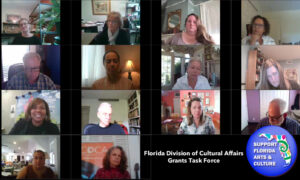
Many state arts agencies across the nation are assessing their grant programs and practices to identify ways to improve access to arts resources. The work undertaken by the Florida Division of Cultural Affairs (DCA) in this area is a recent example. In January 2020, DCA appointed a Grant-making Task Force to help review and improve…
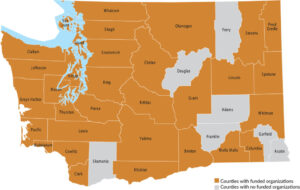
Through the course of 2020, state arts agencies (SAAs) across the nation distributed relief funds and retooled their ongoing grant programs to support cultural organizations and artists during COVID-19. The National Endowment for the Arts Coronavirus Aid, Relief and Economic Security (CARES) Act allocation made relief funding possible for all states and jurisdictions, and SAAs…
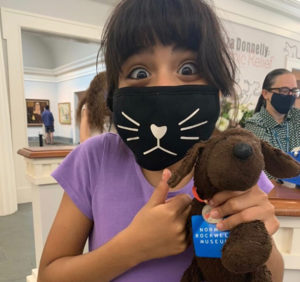
At the beginning of this year, Mass Cultural Council began a unique joint venture with Massachusetts Health Connector—the Massachusetts state health insurance marketplace—to promote healthier living through cultural engagement. Aimed at the hundreds of thousands of residents who are enrolled through Massachusetts Health Connector, this program provides free or reduced-price admission to more than 100…
Several state arts agencies across the country have conducted surveys to study the impact of COVID-19 on arts organizations and artists, however the Audience Outlook survey led by the Maine Arts Commission is notable because of its unique emphasis on audience needs and perceptions. The Maine Arts Commission recently released results of the survey, which…
While a variety of national surveys are attempting to assess the effects of COVID-19 on the arts, many state arts agencies are conducting state level research to get an early read on the economic impact of the pandemic. Such surveys are being used to inform policy dialogues with state elected officials as well as to…
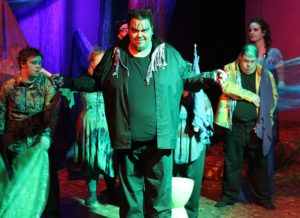
The Wyoming Arts Council’s (WAC) Health and Wellness through the Arts program connects artists, arts organizations, and health service providers to deliver creative opportunities to constituents managing a decline in health, living with a temporary or permanent physical, emotional or cognitive disability, or seeking to improve overall well-being and quality of life. WAC conducted a…
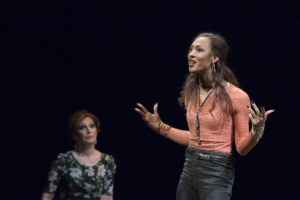
Recognizing the increasing diversity of Massachusetts as a civic, cultural and economic asset, the Massachusetts Cultural Council (MCC) adopted a comprehensive Diversity, Equity and Inclusion (DEI) Plan. The plan guides MCC’s ongoing efforts to honor many dimensions of diversity: age, ability, ethnicity, race, religion, political beliefs, sexual orientation, gender identity or expression, nationality, geographic origin,…
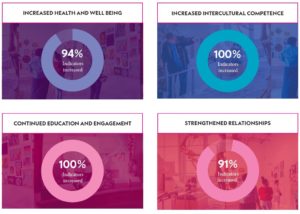
According to the results of a pilot social impact study that the Utah Division of Arts & Museums (UA&M) is conducting, museum visitation is correlated with statistically significant increases in health and well-being, intercultural competence, strengthened relationships, and continued education and engagement. UA&M undertook this project with Thanksgiving Point—a nonprofit farm, garden and museum complex…
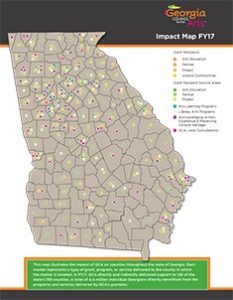
Communicating the value of public support for the arts can be challenging without a common language shared by elected officials, local arts leaders, individual artists, educators and other stakeholders. The Georgia Council for the Arts (GCA), acknowledging this barrier while developing its Strategic Plan 2013-2018, resolved to tell a clearer story about the arts in…
Over the course of the 2015-16 school year, the Maine Arts Commission (MAC) and the Maine Department of Education took stock of the arts education resources available in the state’s 759 preK-12 schools. The main goal of the 2016 Arts Education Census, as seen in its survey questions, was to locate where high-quality arts learning…
2 / 6