

Oklahoma: Strategic Planning and Native Cultural Practitioners and Artists Survey

Thirty-eight federally recognized tribes reside within Oklahoma’s state borders and account for nearly 13% of the state’s population. To serve this population—which is culturally and historically significant to the state—the Oklahoma Arts Council (OAC) pursues a series of strategies to support Indigenous artists, Native…
Northern Marianas: Flame Tree Arts Festival

The Talabwogh Men Stick Dancers perform at the 2024 Flame Tree Arts Festival. Photo courtesy of the Commonwealth of the Northern Mariana Islands Department of Community and Cultural AffairsThe Flame Tree Arts Festival is one of the most significant events held in the Northern Mariana Islands. Led by the Commonwealth Council for…
Wisconsin: Woodland Indian Arts Program

Wisconsin is unique in that a state statute mandates the disbursement of arts grant funds to Native communities, funded by a portion of the state’s gaming compacts with the 11 federally recognized tribal nations. The Wisconsin Arts Board (WAB) administers this program.
Utah: Native Arts Curriculum

The Utah Division of Arts & Museums (UA&M) has facilitated efforts to develop and implement curriculum modules that educate Utah students and teachers about the state’s tribes through the arts. Relying on their well-established relationship with Brigham Young University (BYU), UA&M advocated for and financially supported the…
North Dakota: Indigenous Artist Growth & Development Fellowship

Partnering with an organization that is both trusted and highly networked in the Native community can help to facilitate access to state resources. This strategy is exemplified by a partnership between the North Dakota Council on the Arts (NDCA) and Sacred Pipe Resource Center.
New Mexico: Bosque Redondo Memorial

In the 1860s, Fort Sumner, New Mexico, was the center of a million-acre land parcel known as the Bosque Redondo Indian Reservation. During that era, the U.S. Army used scorched-earth policies to forcibly remove 10,000 Diné (Navajo) and Ndé (Mescalero Apache) people from their traditional homelands and confine them to this…
Minnesota: Tribal-State Relations Training Program
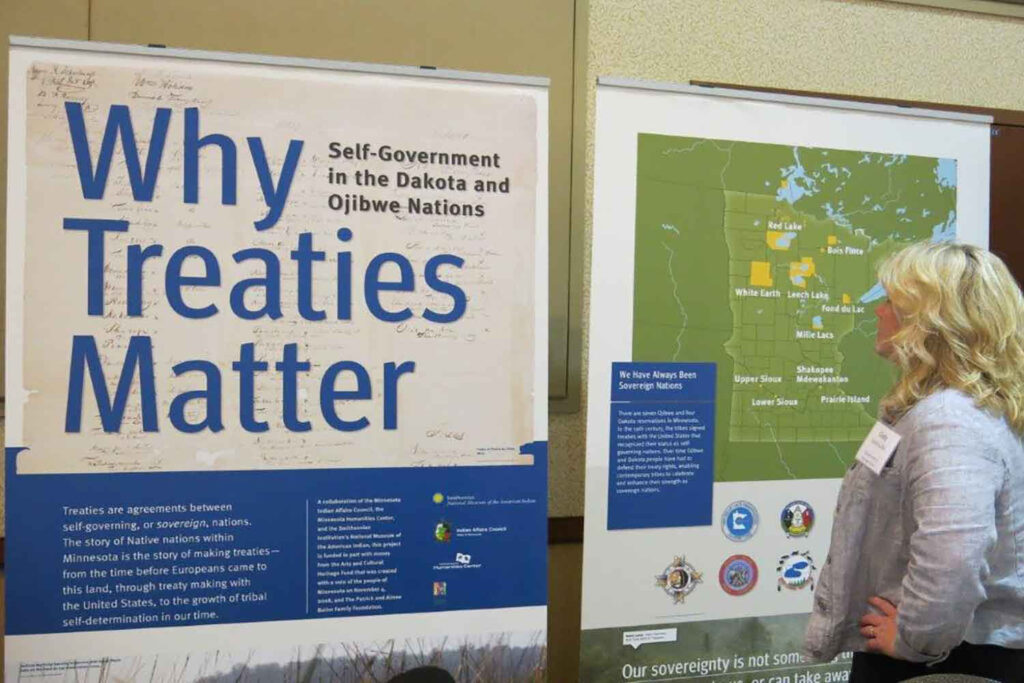
Many tribal leaders and liaisons that NASAA interviewed through the Strengthening State Arts Agency Relationships with Tribal Communities initiative emphasized the importance of training as an important action step for state government employees. The state of Minnesota has placed a strong emphasis on that strategy. Minnesota…
Kansas Arts Commission: Indigenous Arts Initiative
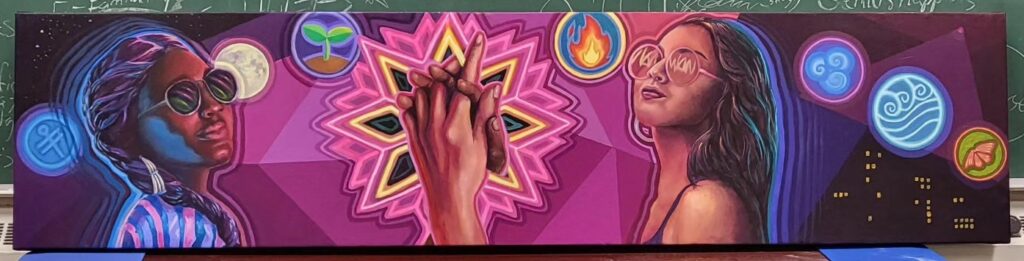
The Kansas Arts Commission (KAC) is dedicated to expanding its services and outreach to all constituents across Kansas. Recognizing that the state has historically underserved four federally recognized tribes in Kansas, KAC has worked to build long-term partnerships that are cognizant of and serve the needs of artists living in…
Washington: Tribal Cultural Affairs Program
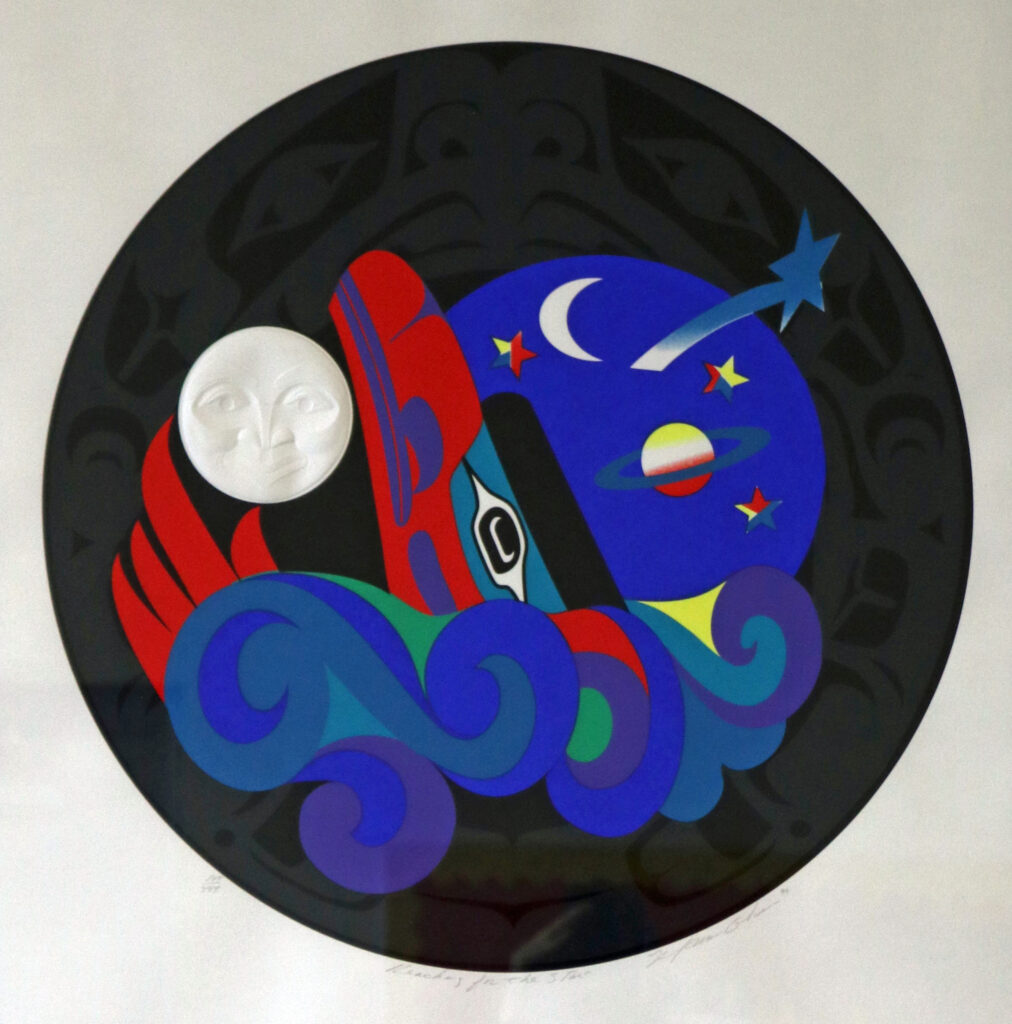
State arts agencies have a directive to recognize the rich tapestry of culture that exists within their states and support access to the creative economy for all constituents. As authorized by the state legislature in 2023, the Washington State Arts Commission (ArtsWA) created a Tribal Cultural Affairs program to support tribal…
Alaska: Native Arts and Culture Programs
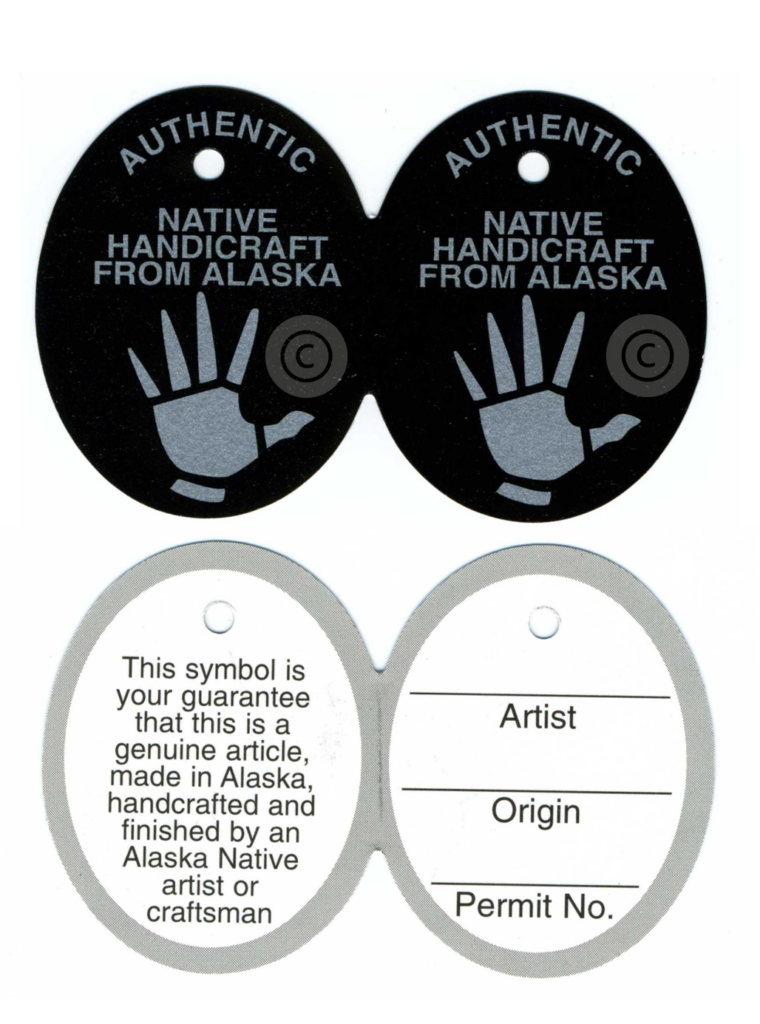
Of the 574 federally recognized tribes in the United States, 228 share geography with Alaska. In the latest decennial census, 21.9% of Alaska’s population identified as American Indian or Alaska Native—the highest percentage of any state. Alaska’s Native peoples are comprised of 11 regional cultural groups and there is…