

Texas and South Carolina: Enriching Rural Communities

Access to the arts is essential for creating vibrant and engaged communities in our nation’s rural areas and small towns. In addition to providing cultural enrichment, arts activities can also offer economic benefits for the communities hosting them. By drawing visitors, these events can help boost local businesses and support the local economy. However, access […]
Indiana: For Everyone in Indiana
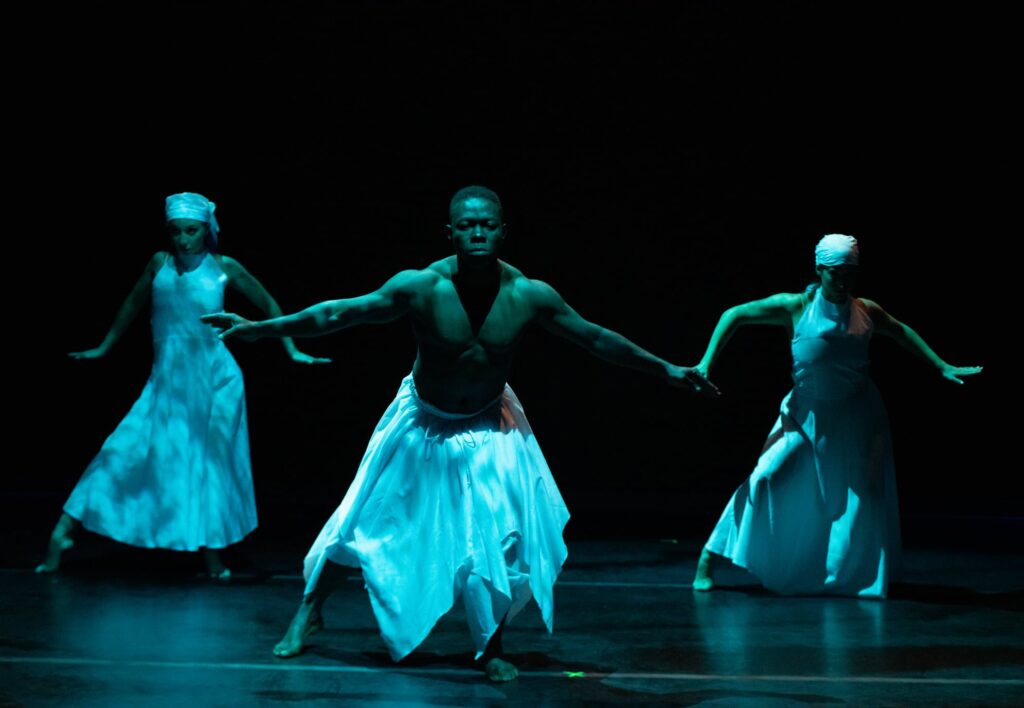
The Indiana Arts Commission (IAC) recently announced changes to its largest grant category, Arts Organization Support. This funding stream provides flexible resources that arts organizations use for community arts programming as well as operations. Changes to the program stem from For Everyone in Indiana—a long-term, comprehensive effort to broaden access to the arts for all […]
Virginia: Grants Portfolio Update
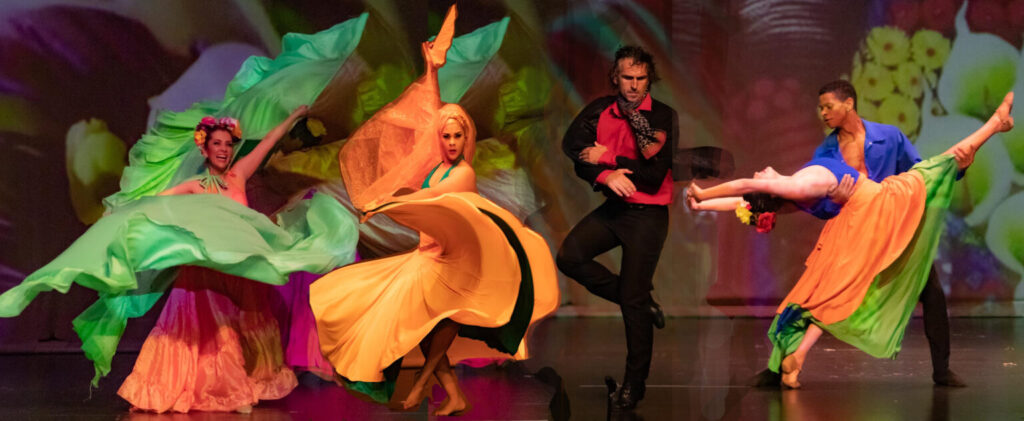
From time to time, state arts agencies will revisit their funding categories, to recalibrate them to a changing environment. The Virginia Commission for the Arts (VCA) recently completed such a grants review. Some goals of the process were to: clarify points of entry into the agency’s programs; respond to feedback from grantees, panelists, commission members […]
New York: Capital Project Grants
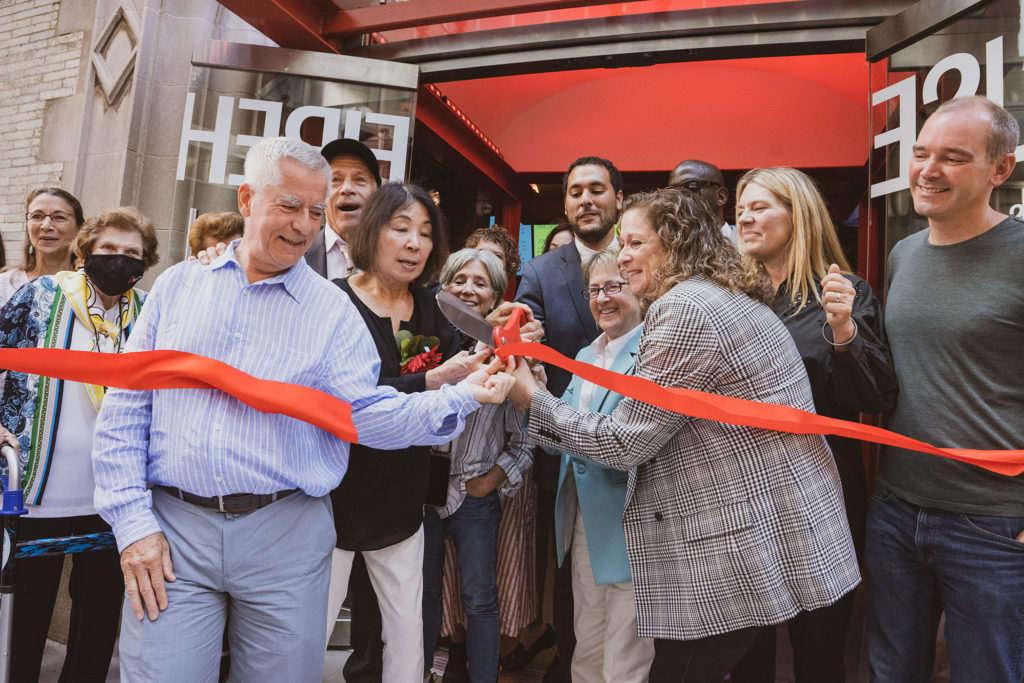
Capital grant programs provide large-dollar funding to support the physical infrastructure of arts and cultural institutions. As a uniquely impactful type of funding, capital improvement grants empower organizations to acquire capital equipment, renovate and restore existing buildings, expand accessibility offerings and construct new spaces to serve as community anchors. With a historic investment by Gov. […]
Alaska: Youth Cultural Heritage Grant Program
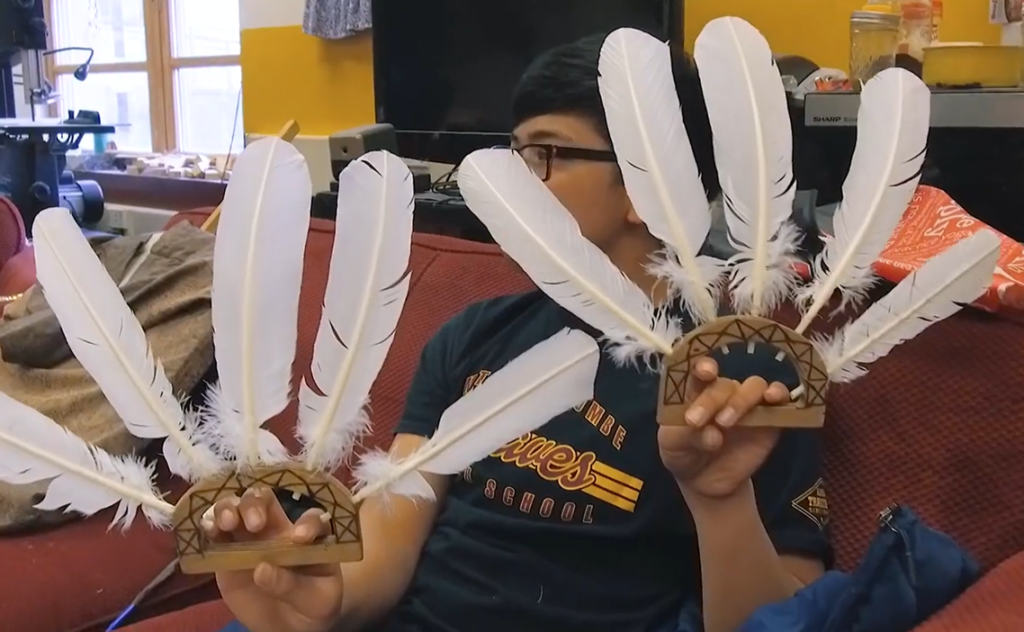
The Alaska State Council on the Arts (ASCA) supports cultural heritage education and engagement through the Youth Cultural Heritage Grant Program. Funded by the Rasmuson Foundation, the program helps school-age children and youth have meaningful interactions with culture bearers, elders and teaching artists. Students learn traditional and contemporary art forms integral to many aspects of […]
Rhode Island: General Operating Support Grants
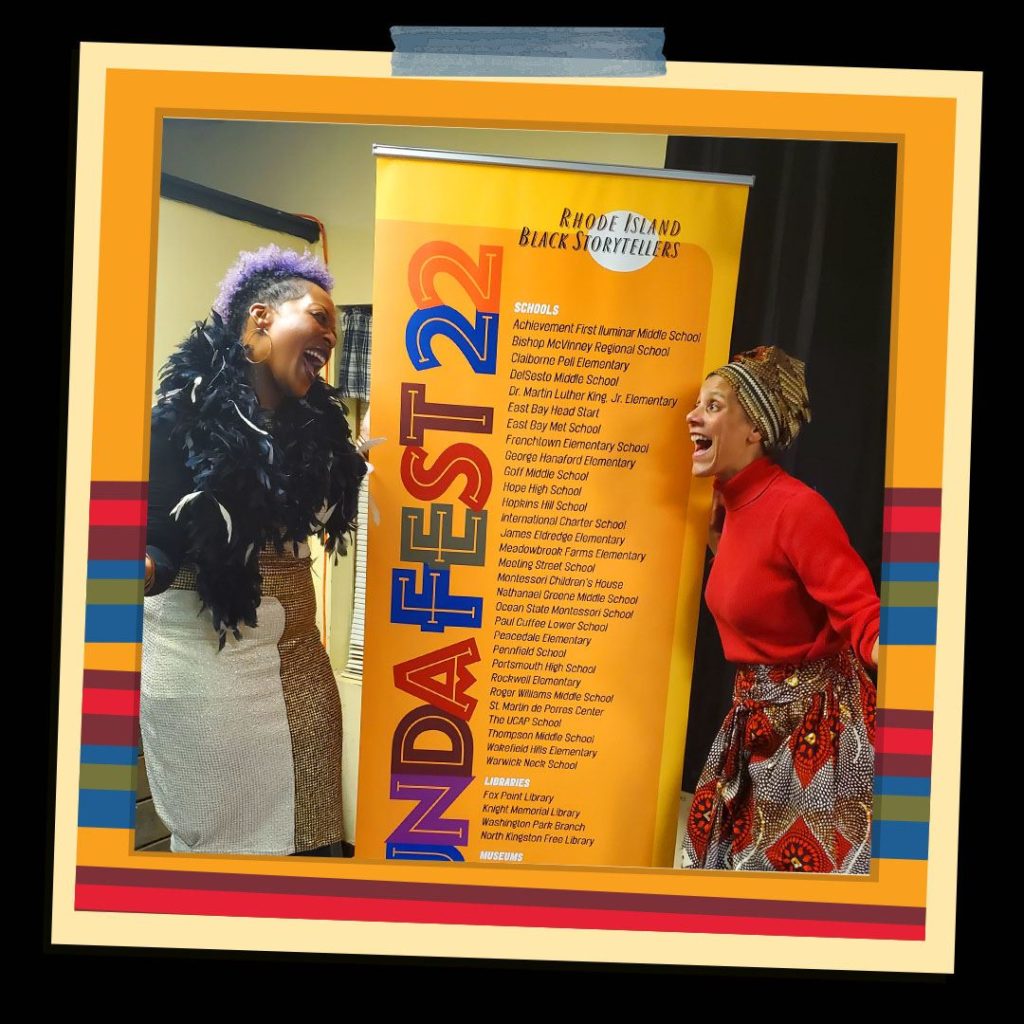
Rhode Island State Council on the Arts (RISCA) has been redesigning its grant programs to foster more equitable grant processes and funding outcomes. As part of this redesign, RISCA has announced significant changes to its grant programs serving organizations and artists. General operating support (GOS) grants are flexible funding grants that allow entities to pursue […]
Minnesota: Creative Support Grants

While cultural activities are resuming nationwide, the uncertainty caused by the COVID-19 pandemic still reverberates throughout the arts sector. Arts organizations and artists must continue to retool their business practices, find ways to re-engage communities and remain flexible as a new normal emerges. To help Minnesota’s creative sector meet such challenges and navigate a time […]
Maryland: Land Acknowledgement

The Maryland State Arts Council (MSAC) consulted with tribal leaders and the administrator of the Maryland Commission on Indian Affairs for the MSAC Land Acknowledgement Project, which was administered by Maryland Traditions, MSAC’s traditional arts program. The project provides resources for learning about the precolonial history of lands claimed by the State of Maryland. At […]
Delaware: Incubator Project
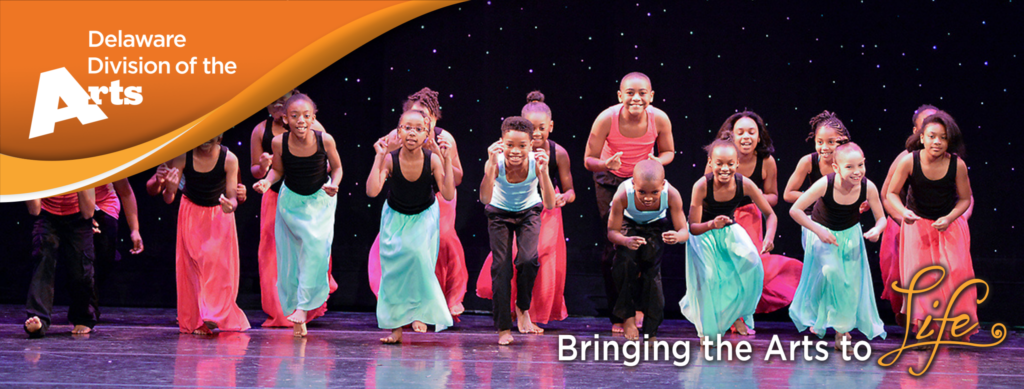
As states continue to support revitalization efforts for the arts sector and strive toward more equitable programming, the Delaware Division of the Arts (DDA) is offering a new opportunity that works toward both of these objectives: the Arts Equity and Innovation Incubator Project. This pilot program, using $1.25 million in new funding, combines technical and […]
Oklahoma and Tennessee: Advancing Rural Arts Development
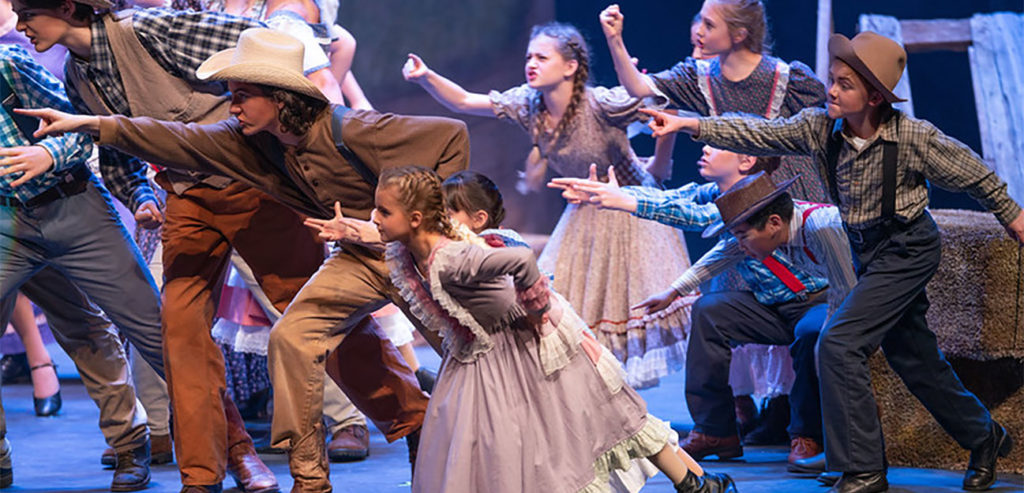
State arts agencies play a vital role in promoting arts opportunities in rural communities that, while rich in cultural assets and traditions, may face geographic or economic barriers to arts development. The Oklahoma Arts Council and the Tennessee Arts Commission recently launched new grant programs designed to advance rural development through the arts, culture and […]