
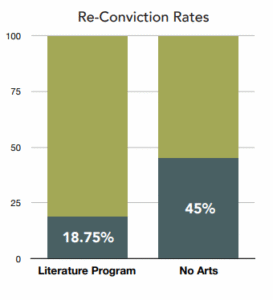
The benefits of correctional arts programs are well established across a breadth of outcomes, impacting recidivism rates, state cost savings, individual health and self-esteem, education, and vocational skills. State arts agencies have long been at the forefront of correctional arts programming, whether by administering these programs directly or by supporting these programs through funding grantees.…
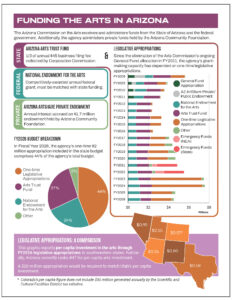
State arts agencies have a long-standing practice of publishing information about their grants to show how taxpayers’ dollars are spent. Apart from demonstrating transparency and accountability, such reports offer a useful communications opportunity. State arts agencies can package and present their data in creative ways to help policymakers and the public learn about the scope…

Each spring, the Congressional Institute sponsors the Congressional Art Competition, a high school visual art competition celebrating artistic talent in U.S. congressional districts. More than 650,000 high school students have participated in the competition since it began in the early 1980s. Artworks must be original two-dimensional pieces that can include paintings, drawings, collages, prints, photographs or mixed-media…

The Ohio Arts Council (OAC) periodically conducts surveys exploring public perceptions of the arts in Ohio communities. Apart from being a requirement of OAC’s enabling statute, such surveys are a vehicle for welcoming broad citizen input into the work of the agency. Used in combination with other feedback loops (like grantee reports, program evaluations and…
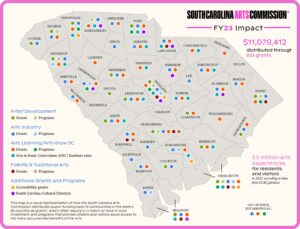
As state legislative sessions move forward, policymakers will need to know how state arts funds are spent and what the return on their investment is. A number of state arts agencies have recently published impact reports that answer such questions. Browse the below to glean ideas for communicating about the importance of state arts agency…
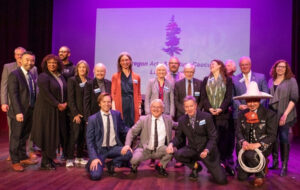
On the heels of the COVID-19 pandemic, as the Oregon Arts Commission was developing its new strategic plan, the agency heard a recurring refrain from artists, arts organizations, civic leaders and elected officials across the state: strengthen and secure dependable funding for the creative sector. This became the first goal of the agency’s new Strategic…
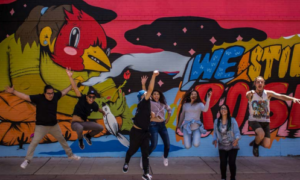
The arts constitute a vital part of youth development. They prepare students for academic success, equip young adults with the skills needed to thrive in the workplace, and foster meaningful relationships and community (learn more). State arts agencies support this growth through a variety of programs that promote artistic development and engage aspiring artists and…
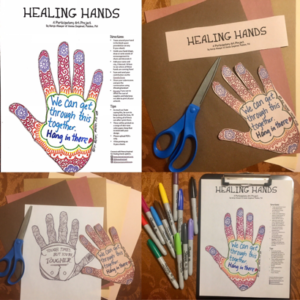
Cultural participation is a crucial ingredient for maintaining social cohesion, bolstering community resiliency and finding hope during times of crisis. To help artists and arts organizations facilitate arts engagement despite widespread COVID-19 lockdowns and stay-at-home orders, many state arts agencies are promoting virtual arts events that allow individuals and families to experience the arts online.…
The Michigan Council for Arts and Cultural Affairs (MCACA) recently launched a five-part series on Michigan Public Radio featuring stories about how creative expression brings people and communities closer together. Each segment of Creating Connection MI is a meditation on the connectivity of the arts and the positive roles that culture and creativity play in our personal…
As school systems throughout Georgia evolve in response to implementation of state education reforms and the federal Every Student Succeeds Act of 2015, the Georgia Council for the Arts (GCA) sees an opportunity to increase access to arts learning in the state, which has remained static for a decade. Drawing on 25 years of research…
1 / 4